
Questions? Call Us
716-344-0813
716-344-0813

Hardwoods like red oak, cherry, quarter-sawn white oak, walnut, and hard maple stand out as the five best choices for dining tables, offering superior durability against dents and daily wear compared to soft, budget woods that often last only a few years.
Hardwoods like acacia wood offer the best combination of durability and style for dining room furniture, resisting dents and scratches far better than soft, budget woods. Buffalo Wholesale, a discount liquidation warehouse in Hamburg, NY, stocks solid-wood dining sets that outlast cheap alternatives, giving shoppers lasting value without the frustration of frequent replacements.
Selecting the right wood accomplishes three things: a table that survives daily use, a look that fits the room, and a purchase that doesn't drain the budget. Wood quality, not sticker price alone, determines how a table holds up over years of meals, homework sessions, and vacation gatherings. Shoppers who skip this step often end up replacing furniture within a few years, paying twice for something that should have lasted once.
Buffalo Wholesale addresses that risk by stocking discount dining room furniture alongside mattresses, appliances, and building supplies inside its Hamburg liquidation warehouse. Shoppers furnishing an entire home find options there, and so do those hunting for a single standout dining piece. That range means a first-time buyer can compare finishes and price points without visiting five different stores.
Start with a plan rather than a guess. Follow these steps in order:
Set a firm budget before browsing, since price ranges vary widely across wood types.
Identify how the table will be used daily; casual family meals need different durability than an occasional formal setting.
Visit a discount source like Buffalo Wholesale's Hamburg warehouse to compare in-person options across furniture categories.
Ask about construction quality, not just appearance, since surface finish can hide weaker material underneath.
Confirm return or inspection policies before finalizing any purchase.
Not necessarily. A discount warehouse model works because it passes savings through liquidation sourcing rather than cutting material standards. Buyers still need to inspect construction directly, since price reflects sourcing efficiency, not automatically inferior wood. Comparing pieces side by side remains the safest way to confirm value before committing.
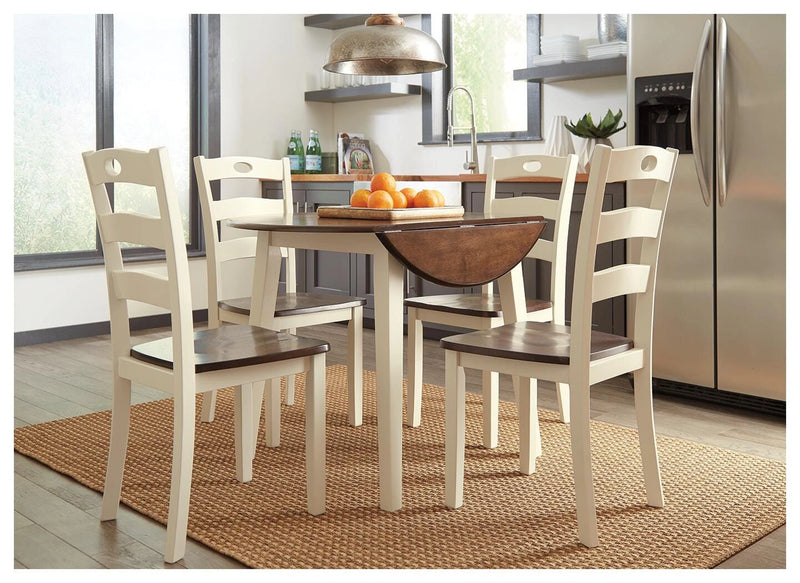
Five wood species dominate quality dining room furniture: red oak, cherry, quarter-sawn white oak, walnut, and hard maple. Each brings a distinct look and a different level of daily wear resistance to the table. Shoppers narrowing choices for a new dining table or chair set should start with this shortlist before comparing finishes or styles.
Red oak ranks among the most popular picks for dining tables, and durability explains why. The grain runs bold and visible, giving tables a warm, traditional character that hides everyday scuffs well. Families who want furniture built to survive spilled drinks and dragged chairs often gravitate toward this species first.
Comparing the five leading options side by side helps clarify the decision:
|
Wood Type |
Known For |
|---|---|
|
Red Oak |
Durability, bold visible grain |
|
Cherry |
Rich color, classic appeal |
|
Quarter-Sawn White Oak |
Distinctive ray-fleck pattern, strength |
|
Walnut |
Deep tone, refined look |
|
Hard Maple |
Dense, resistant surface |
Inventory at Buffalo Wholesale shifts constantly, since the warehouse does not hold a fixed catalog of specific pieces. New dining sets, tables, and chairs arrive and sell on a rolling basis rather than staying stocked long-term. Anyone hoping to match one of these wood types with an available set should follow Buffalo Wholesale on Facebook or Instagram for real-time updates.
Checking the online auction offers another path to current listings. Because turnover happens quickly, waiting too long between checks often means missing a specific piece entirely. Shoppers who stay connected through social channels get first notice when a red oak, cherry, or walnut set lands on the floor.

Budget determines wood choice long before style enters the conversation. Buffalo Wholesale operates as a discount destination, promising strong dining room furniture finds at prices well below retail markups. Matching wood species to a spending limit works best as a step-by-step process rather than a single decision made on the showroom floor.
Set a firm ceiling before browsing. A clear number prevents upsells from stretching a modest plan into an expensive one.
Visit the Hamburg warehouse during Weekend Walk-In Sales. Shoppers browse in person, compare finishes side by side, and skip the appointment hassle entirely.
Compare cash and card totals. Buffalo Wholesale accepts both payment types, so buyers can weigh financing flexibility against any cash-price savings before committing.
Ask about current markdowns on solid wood sets. Discount inventory shifts often, and a table priced high last month may drop the next.
Confirm delivery and pickup costs. These add-ons change the real total, even when the sticker price looks like a bargain.
Solid wood tables generally hold up longer than engineered alternatives, which matters for a piece used daily. Shoppers working with a tight budget still benefit from checking discount inventory first. A warehouse-style outlet often carries solid wood pieces at prices closer to what buyers expect to pay for particleboard.
Limited budgets still deserve a walk through Buffalo Wholesale's weekend inventory before settling for a lower-quality set. Discount pricing structures exist specifically to bring solid options within reach of shoppers who might otherwise skip real wood entirely. A quick call to the warehouse answers questions about current stock without requiring a trip.
A simple scratch-and-tap test at the showroom reveals more about dining room furniture quality than any price tag. Soft, cheap wood dents easily and often wears out within just a few years of everyday family use. A table needs to survive hot cookie sheets, cold ice cream containers, spilled drinks, and the occasional dropped toolbox. Testing durability before purchase prevents costly replacements down the road.
Follow these steps when evaluating a table in person:
Press a fingernail firmly into an inconspicuous spot on the surface. Soft wood shows a mark instantly; sturdier hardwood resists.
Check the underside and legs for solid construction rather than thin veneer over particleboard.
Tap the tabletop lightly and listen. A dense, solid sound signals sturdier material than a hollow one.
Run a hand across the finish to feel for unevenness, which often points to lower-grade wood underneath.
Ask about the wood species and compare it against known durable hardwoods before finalizing a decision.
Photos hide dents, warping, and weak joints that only become obvious up close. Buffalo Wholesale's Weekend Walk-In Sales at the Hamburg warehouse give shoppers a chance to inspect a table's wood and construction firsthand. cite-3 Handling a piece before buying catches flaws that online listings never show.
Skipping these checks often means discovering problems only after months of daily use. A table that looked fine in a photo can dent under a hot pan or wobble after a few weeks. Testing upfront costs a few extra minutes but saves years of frustration and an early replacement purchase.
Grain pattern determines whether a dining table reads as calm or dramatic. Oak grain runs steady and warm, suiting kitchens and dining rooms built around neutral, everyday tones. Walnut grain shows deeper contrast and richer swirls, giving a room a bolder, more formal presence. Deciding between the two comes down to whether a household wants dining room furniture that blends quietly into a space or a piece that commands attention as the room's centerpiece.
Matching a finish to household style takes a few practical steps.
Picture the room's existing wall color and flooring tone before picking a wood.
Choose oak tones for a warm, understated look that pairs well with most color palettes.
Choose walnut tones for a richer, more dramatic statement in formal dining spaces.
Confirm availability before falling in love with one specific finish.
That last step matters more than shoppers expect.
No fixed inventory exists at Buffalo Wholesale, so wood styles and finishes rotate on a regular basis. Stock changes with each liquidation load, meaning an oak table available one week might give way to walnut pieces the next. Shoppers chasing a specific grain or tone benefit from checking availability often rather than assuming a style will still be there later.
Buffalo Wholesale's full catalog is browsable online, letting shoppers compare wood styles and finishes from home before making a trip. cite-3 This saves a wasted drive to the Hamburg warehouse. Comparing options online first also helps shoppers narrow choices between oak's steady warmth and walnut's richer drama ahead of time. The in-person visit focuses on inspecting quality rather than starting the search from scratch.
Two locations in the Buffalo area give shoppers reliable access to discounted dining room furniture: a liquidation warehouse in Hamburg and an auction house in West Seneca. Skipping retail markups on solid wood tables and chairs saves buyers hundreds of dollars compared to full-price furniture stores. Shoppers who limit themselves to one sales channel often miss better inventory or lower prices available elsewhere. Following a simple visit strategy helps narrow the search and avoid wasted trips.
Plan a weekend trip to the Hamburg liquidation warehouse at 107 Evans St, since it operates Friday through Sunday only.
Arrive with table dimensions and chair-count needs already measured, since walk-in stock changes weekly.
Inspect wood pieces in person for grain quality, joint stability, and finish before committing to a purchase.
Check the West Seneca auction house at 2305 Union Rd as a second option for bidding on furniture lots.
Compare auction pricing against warehouse sticker prices before placing a final bid.
No, the auction house offers a second path for buyers hunting solid wood pieces. Located at 2305 Union Rd in West Seneca, it lets customers bid on furniture rather than buy at a fixed price. Bidding sometimes produces steeper discounts than walk-in shopping, though pricing depends on competition that day.
Feedback suggests yes. Shoppers have singled out staff members for making the buying process smooth. Enjoyable, with one customer specifically praising the team's helpfulness. Positive experiences like these matter for first-time furniture buyers who feel uncertain navigating a liquidation setting. Friendly, knowledgeable staff can turn an intimidating warehouse visit into a confident purchase decision, especially for anyone unfamiliar with evaluating solid wood construction firsthand.

Picking the lowest-priced dining table on the floor ranks as the most common buying error. Shoppers who skip an evaluation of the wood often regret the purchase within a few short years. Soft, low-grade lumber dents easily and fails to hold up to daily meals. Avoiding this trap and two other frequent missteps protects both the budget and the piece itself.
Dining room furniture shopping goes smoother when buyers follow a short checklist before signing a receipt.
Inspect the wood, not just the price tag. A cheap table that looks fine in the showroom can develop dents and soft spots within three years of regular use.
Compare wood species side by side. Not every wood performs equally under daily wear; some species resist scratches and weight far better than others, so treating them as interchangeable invites disappointment.
Confirm current stock before making a trip. Since inventory changes constantly, calling ahead or checking listings online prevents wasted time chasing a specific dining set.
Yes. Some woods hold up like a durable workhorse, while others wear down faster under everyday plates, elbows, and spilled drinks. Buyers who assume uniform durability across species often end up replacing a table sooner than expected. Comparing hardness and grain before purchase avoids that outcome.
Calling or checking social media first saves a wasted trip. Buffalo Wholesale does not keep a fixed inventory of specific dining sets, so stock shifts week to week. Checking Facebook, Instagram, or the online auction beforehand confirms whether a desired wood table is currently available before anyone drives out to the Hamburg warehouse.
Proper maintenance keeps solid wood tables and chairs sturdy for decades, not just years. A quality dining table earns its place as the centerpiece of family meals, long conversations, and the occasional spilled glass of wine, but only with routine care. Homeowners who treat their dining room furniture as a long-term investment protect that value instead of watching it fade.
Before starting any care routine, gather a few basics: a soft microfiber cloth, mild soap, and a wood-safe polish. Skip harsh chemical cleaners, which strip natural finishes over time.
Wipe spills immediately with a dry cloth to prevent moisture from soaking into the grain.
Dust the surface weekly using a slightly damp cloth, then dry it fully.
Apply a wood-safe polish or conditioner every few months to keep the finish from drying out.
Use coasters and placemats under hot dishes and glasses to avoid heat rings.
Keep the table out of direct sunlight, since UV exposure fades and weakens wood fibers.
Check chair joints and table legs twice a year for looseness, tightening screws as needed.
Weekly dusting keeps everyday buildup from settling into the grain. A deeper clean with mild soap and a soft cloth once a month removes grease. Food residue that dusting alone misses.
Selecting the appropriate wood species for dining room furniture requires weighing durability, aesthetic compatibility, and maintenance expectations against the room's architectural context. Hardwoods such as walnut, oak, and cherry deliver longevity and visual presence. Softer species offer cost efficiency for secondary pieces. Designers and homeowners who assess wood grain patterns, finish requirements, and the existing palette establish dining environments where furniture selections endure both daily use and evolving interior schemes. The specification process demands material samples evaluated under the room's actual lighting conditions, ensuring that wood character aligns with the intended spatial narrative.
Shoppers restocking or upgrading a well-worn table benefit from checking Buffalo Wholesale's weekly deals, where new arrivals rotate frequently. Buffalo Wholesale also accepts both cash and card, and any post-purchase questions get answered by phone. A simple safety net once the new piece is home. cite-3

Your dream dining room doesn't have to come with a nightmare price tag. At Buffalo Wholesale, we specialize in bringing you high-quality dining room furniture at wholesale prices that fit your budget without compromising on style. From spacious extendable tables perfect for holiday gatherings to cozy dinette sets ideal for everyday family meals, our collection offers something for every space and taste.
Each piece is selected for its durability, design, and value, because we believe everyone deserves a beautiful place to break bread. Why pay retail when you can get more for less? Visit Buffalo Wholesale today and transform your dining area into the warm, welcoming centerpiece your home deserves.
Delivery
Check what it costs to get this order to your door.